
Weather & Packing Guide
Tasmania weather changes fast and varies a lot by season. This covers what to expect and what to pack, so you are not caught out.
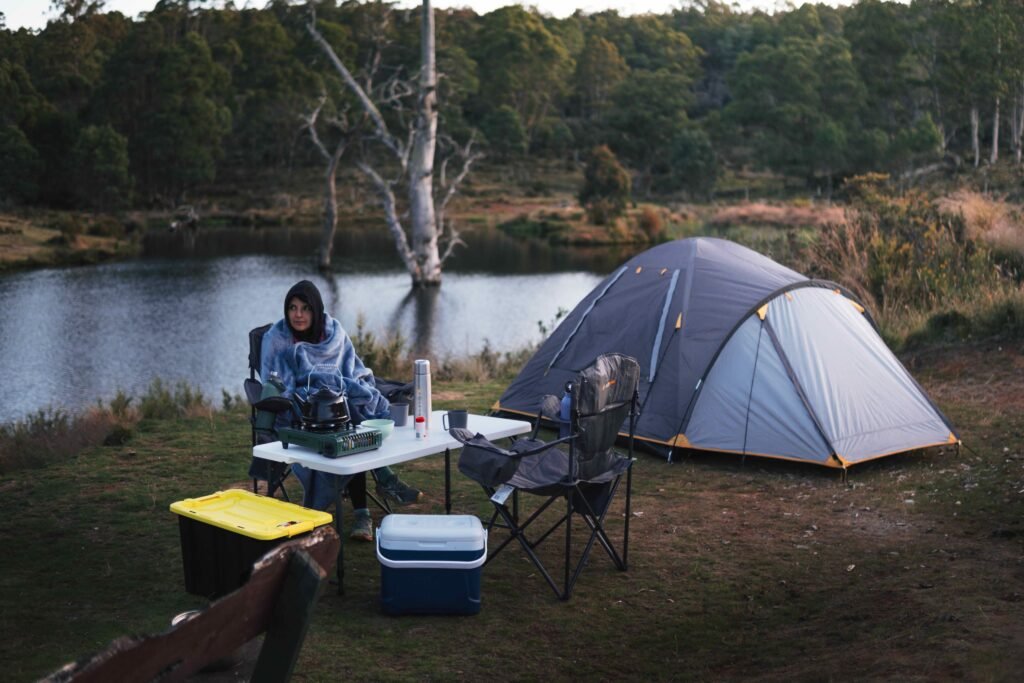
The one rule for Tassie weather
What Tassie weather actually feels like
You can be in a t-shirt at Salamanca Market at 11am and genuinely cold two hours later at Mt Field. You can have a perfect beach morning at Wineglass Bay and get rained on within an hour of starting the hike back.
The east coast feels like a different island to the west coast. Freycinet can be clear and warm while Strahan is getting hammered.
The takeaway: do not pack for the forecast. Pack for the worst version of the day and you will be fine either way.
Know before you go
Tasmania is small but the climate differences between regions are big.
East Coast
Freycinet, Maria Island, Bicheno
The sheltered sunny side. Warmest, driest days. Best swimming beaches are here.
West Coast
Strahan, Queenstown, Cradle
Wet and wild year-round. Full waterproofs every day regardless of season.
Highlands
Cradle Mountain, Lake St Clair
Temperature drops fast with altitude. Always pack for cold up here.
Hobart & South
Hobart, Huon Valley, Bruny Island
Milder than you would think. Hobart is one of Australia driest capitals.
North
Launceston, Tamar Valley
Warmer and drier than south and west. Most predictable weather in the state.
North West
Wynyard, Stanley, Table Cape
Exposed to Bass Strait. Windproof outer layer recommended.
Quick Reference
Screenshot this before you pack.
| Category | Summer Dec-Feb | Autumn Mar-May | Winter Jun-Aug | Spring Sep-Nov |
|---|---|---|---|---|
| Base layer | T-shirts, light long sleeve | Long sleeve, light thermal | Thermal top and bottom | Long sleeve, light thermal |
| Mid layer | Light fleece for evenings | Fleece or down jacket | Heavy fleece or down | Fleece, removable |
| Outer layer | Rain jacket (always) | Rain jacket + wind layer | Full waterproof jacket | Rain jacket (always) |
| Bottoms | Shorts + light pants | Long pants every day | Thermals under pants | Long pants, shorts optional |
| Footwear | Sneakers or light hikers | Waterproof hikers | Waterproof hikers | Waterproof hikers |
| Head & hands | Sunhat, sunglasses | Beanie, light gloves | Beanie, gloves, scarf | Beanie Sep-Oct, sunhat Nov |
| Extras | Sunscreen, swimmers | Sunscreen still needed | Hand warmers for highlands | Sunscreen from Oct |
What not to bring
Summer
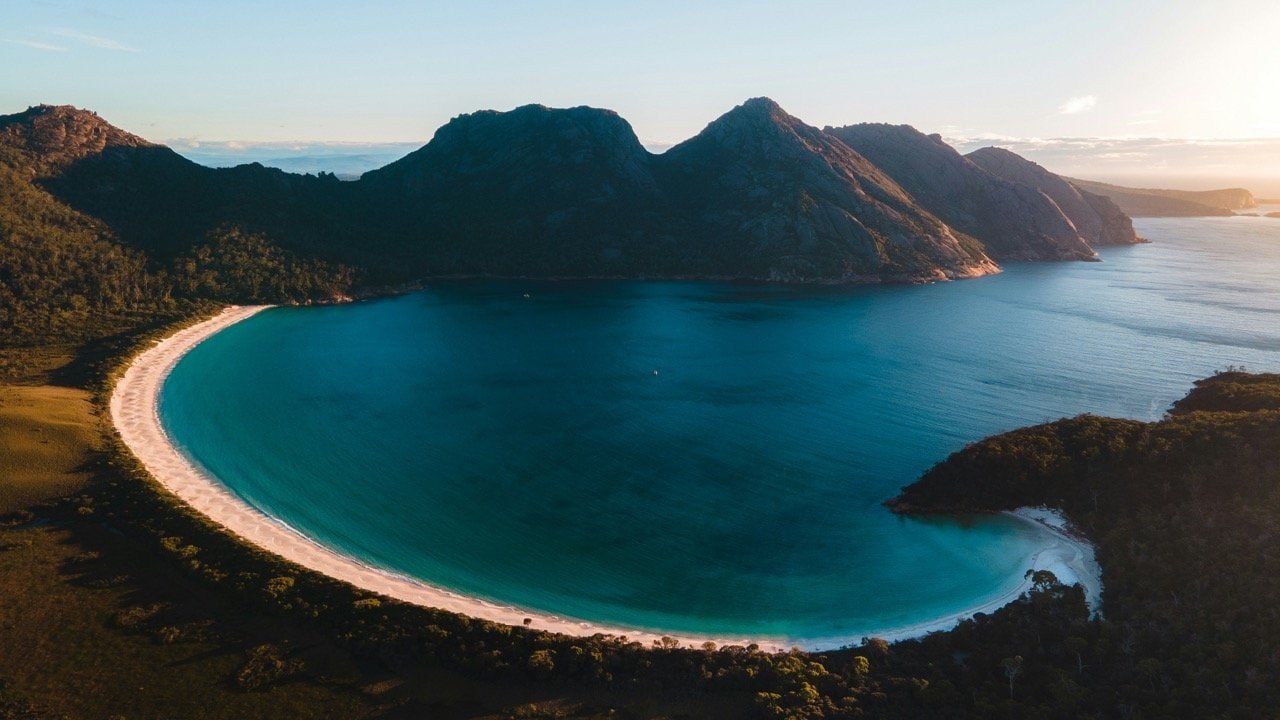
The best time to visit for beach days, long hikes and big drives. Days are long, the east coast is at its best, and you can actually swim. Rain is lighter in summer but still happens any day.
What to pack
Autumn
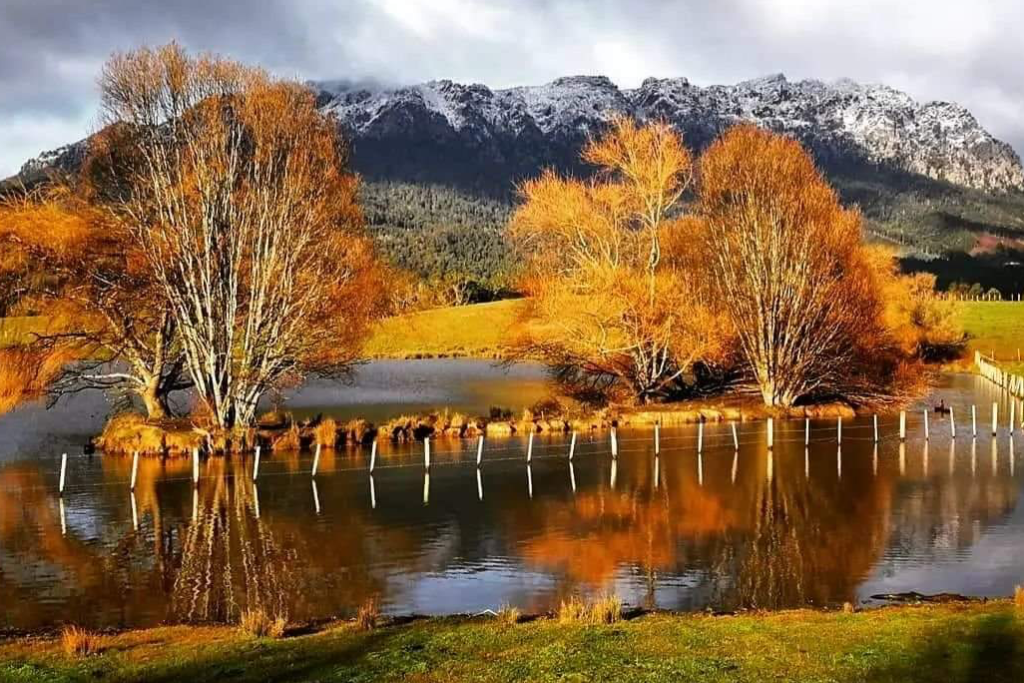
Underrated. Crowds thin out after Easter, the light is golden, and the foliage in the highlands is spectacular. Rain picks up and highland areas can get snow from May.
What to pack
Winter
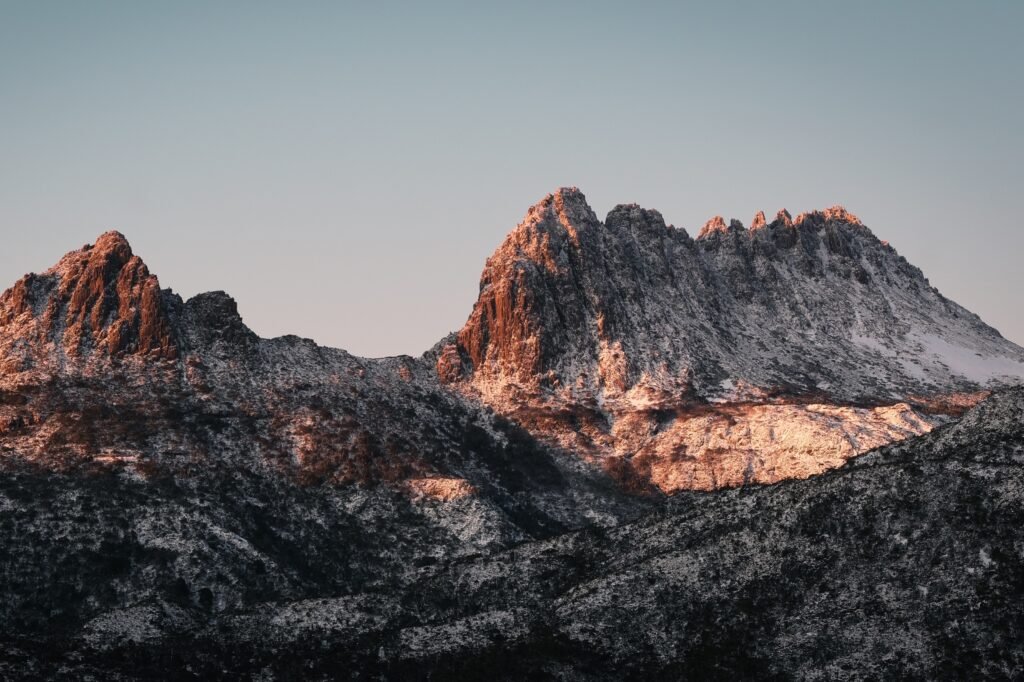
Cold, wet, and quiet. Most tourists stay away, which means the national parks and campgrounds are yours. Snow on Cradle Mountain is common. Some mountain roads and trails close in winter.
What to pack
Spring
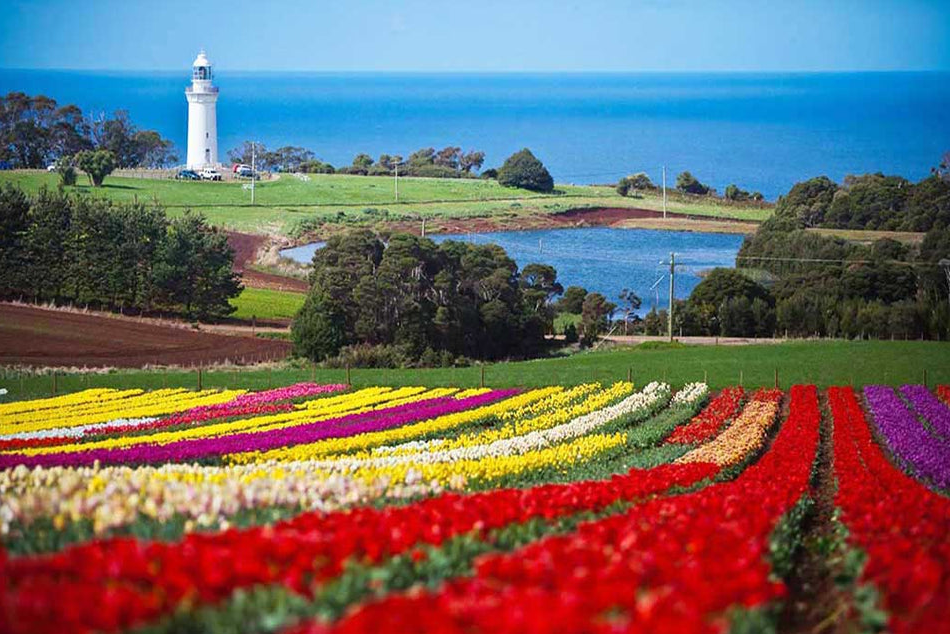
Unpredictable in the best way. September still feels like winter in the highlands, October starts warming up, and November can deliver genuinely warm sunny days.
What to pack
Whatever season you are going
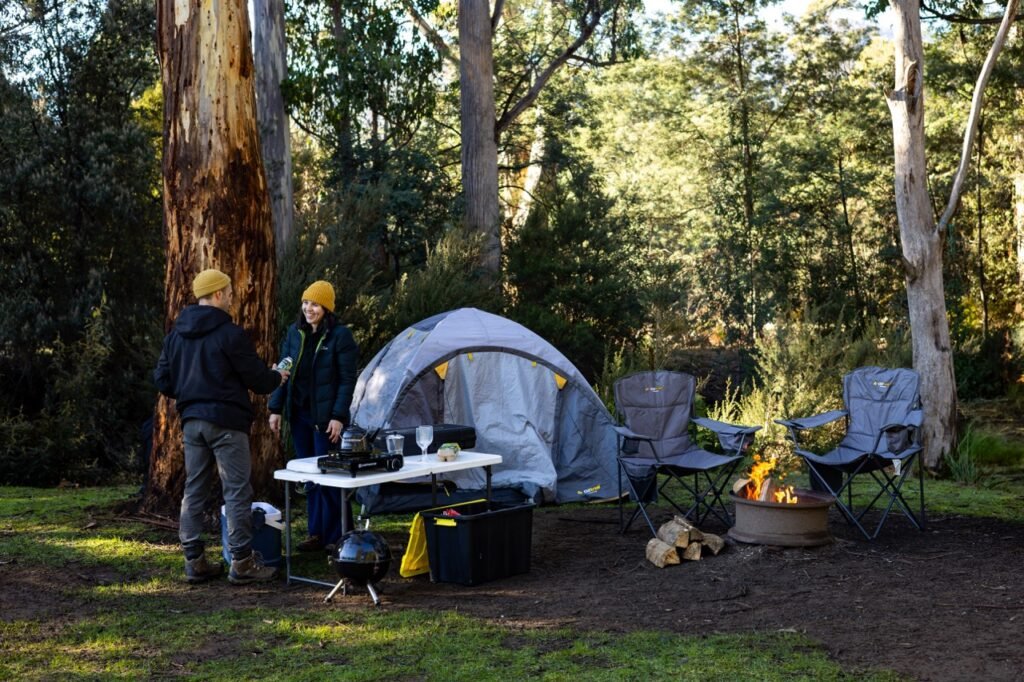
Regardless of when you visit, these are the non-negotiables for any Tassie trip.
Planning your trip
Every season has something going for it.
Best for
Beaches and sunshine
December to February. The east coast is at its best. Long daylight hours, warm enough to swim.
Best for
Fewer crowds
April to May or September to October. Popular spots are quiet, prices are lower.
Best for
Hiking and national parks
November to March. Tracks are open, weather is most stable, days are long.
Best for
Budget and solitude
June to August. You will have the island largely to yourself.
Best for
Wildlife
Year-round, but autumn and winter evenings are when you will see the most.
Best for
Food, wine and festivals
January for Dark Mofo. Strong food and wine scene year-round.
Ready to go?
We will have your gear packed and ready for pickup in Hobart.
Destination guide
Itinerary