
Hikes & Wildlife
Tasmania has animals that exist nowhere else on earth. Most of them are nocturnal, relaxed around people, and surprisingly easy to spot if you know where to look and when.
Why it is different here
The island separated from the mainland about 10,000 years ago. That isolation preserved animals that were wiped out elsewhere, the Tasmanian devil being the most obvious, but also the spotted-tail quoll, the pademelon, and dozens of endemic bird species.
Because there are no large predators, the wildlife here is remarkably relaxed around humans. Wombats will graze next to your tent. Wallabies will come within a metre.
The best time to see almost everything is in the hour around sunrise and the hour around sunset.

Tasmanian Devil
Devils are nocturnal, shy, and genuinely hard to spot in the wild. Slow down on country roads after sunset, they are frequently active at night.
The best place to see a devil in person is at a wildlife sanctuary. Devils@Cradle at Cradle Mountain runs evening feeding sessions. Bonorong Wildlife Sanctuary near Hobart has devils you can get very close to.
If you see one in the wild, it will almost certainly see you first and disappear.
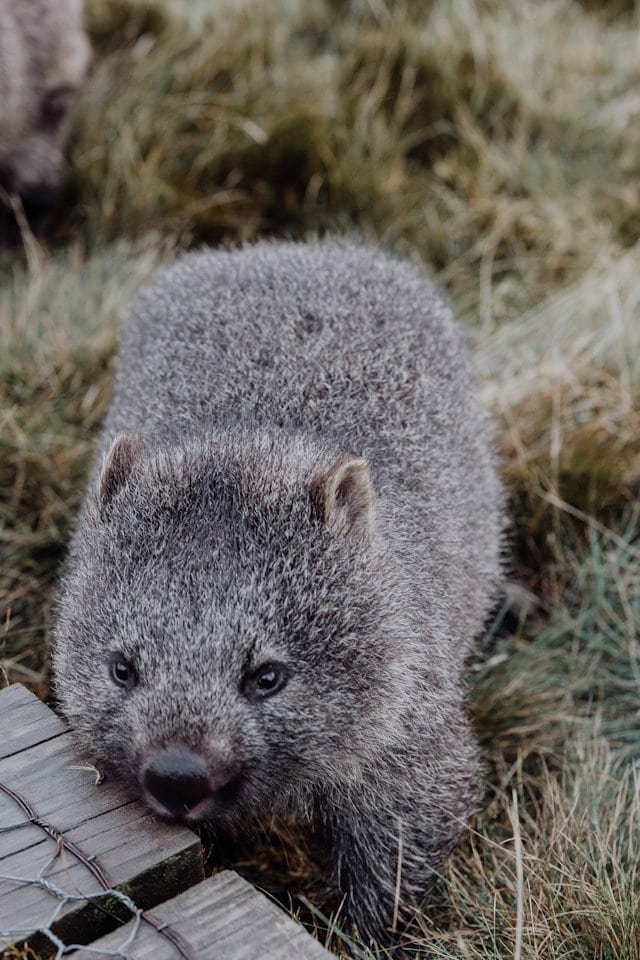
Wombat
Wombats graze at dusk in the open as if you are not there. At Maria Island, Cradle Mountain, and many campgrounds they will come very close.
Best spots: Wombat Pool at Cradle Mountain (late afternoon), the campground at Maria Island any evening, and Mt Field National Park around the Russell Falls car park at dusk.
Do not approach closer than a few metres. They are much faster than they look and can bite hard.
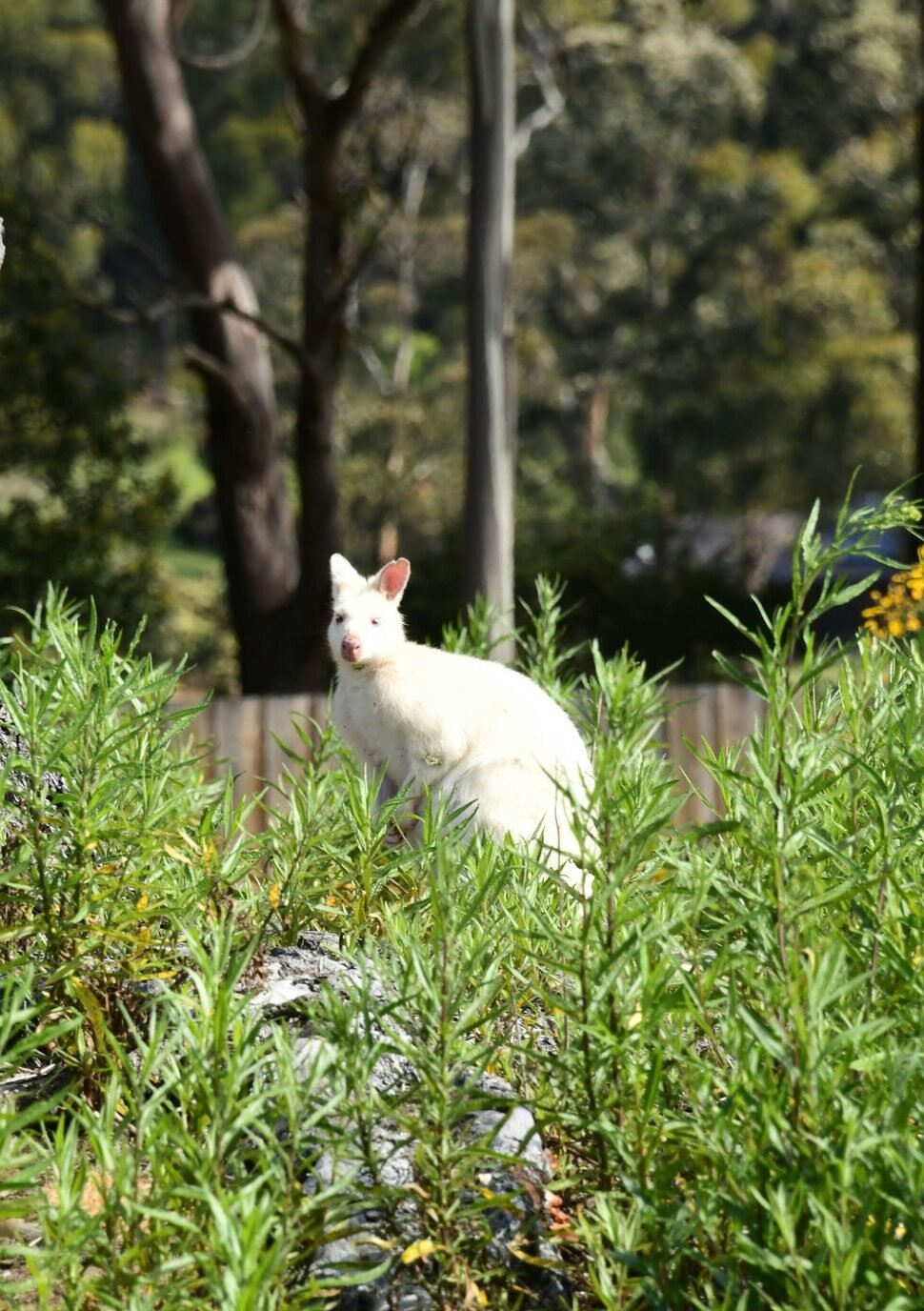
Wallabies and Pademelons
Bennetts wallabies and Tasmanian pademelons are the animals you will see most, at virtually every campground and national park, especially at dusk and dawn.
Both are the reason you should never leave food inside your tent. They are persistent and determined when they can smell something.
Drive slowly on country roads at night, they move unpredictably and cause most wildlife vehicle collisions in Tasmania.
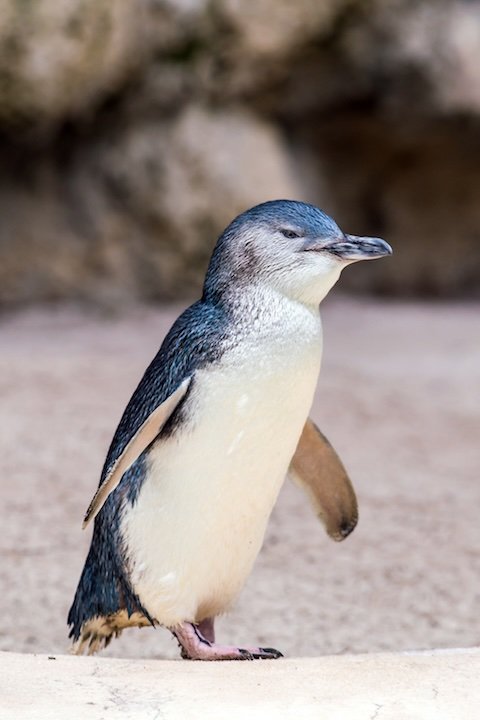
Little Penguins
Little penguins come ashore every night of the year, returning from feeding around 30 to 60 minutes after sunset. Best spots: The Neck on Bruny Island and Bicheno on the east coast.
Sit quietly at the base of The Neck boardwalk from just after sunset. No white torches, red-filtered only. Do not move towards them; let them pass you.
Bicheno Penguin Tours runs guided night tours every evening and is worth doing for the commentary.
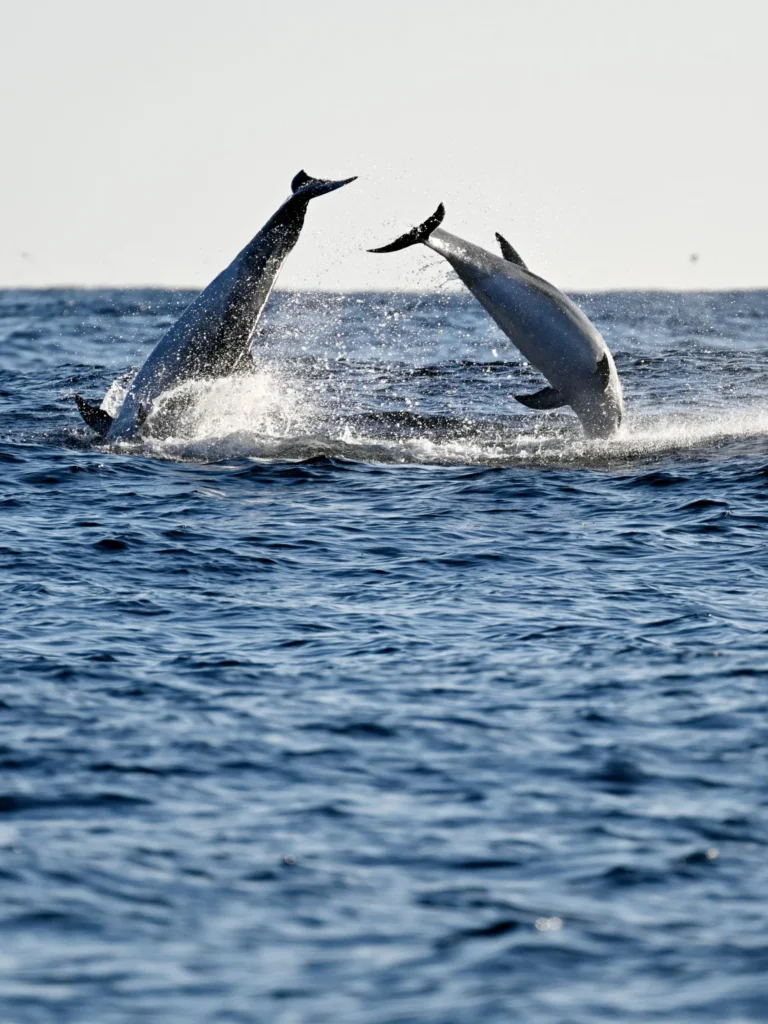
In the Water
Bottlenose dolphins are common in the Derwent estuary. Taking the MONA ROMA ferry from Hobart you will frequently see them alongside the boat.
Australian fur seals haul out at Bruny Island Neck, the Tasman Peninsula sea stacks, and Montague Island. The Tasman Venture runs wildlife cruises from Port Arthur to seal colonies.
Southern right whales pass through Tasmanian waters June to October, particularly in the D Entrecasteaux Channel and along the east coast.
🐾 How to Watch Without Causing Harm
Ready to go?
Pick up in Hobart with everything packed. The best wildlife watching in Australia is waiting.
You might like
Destination guide
Destination guide
Hikes